The system
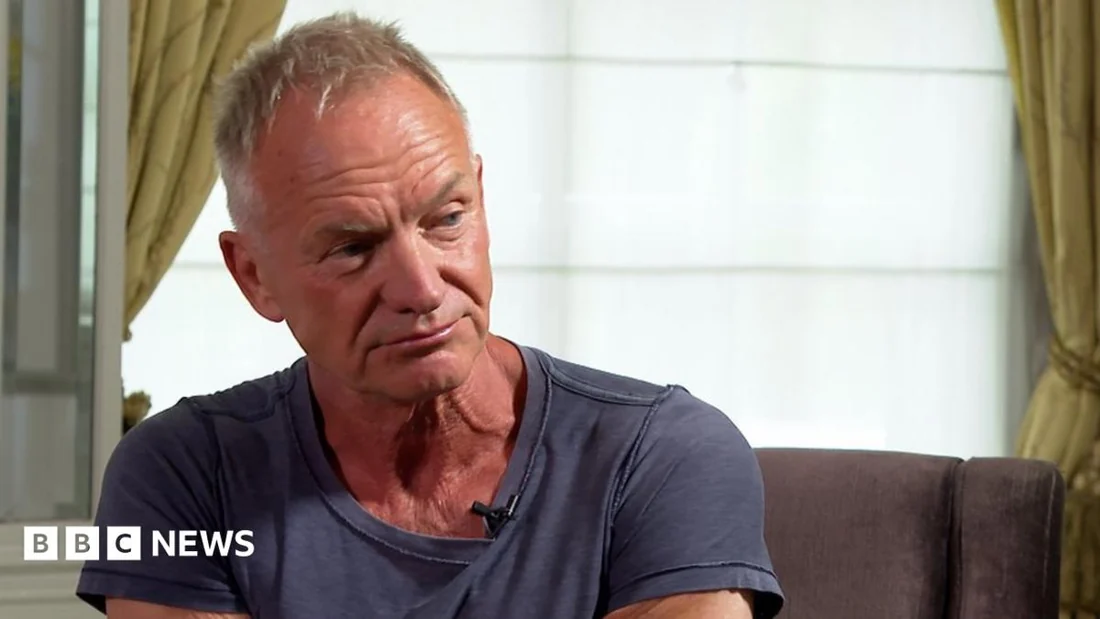
On 18 May 2023, BBC Music Correspondent Mark Savage interviewed Sting ahead of the Ivor Novello Awards, where the songwriter was named an Ivor Academy Fellow, an honour held by only a small number of people. The interview is not about a specific tool or model; it is a working songwriter's on-record response to a wave of AI-generated vocal clones and AI-written songs that had appeared in preceding months, given in his own words to a named outlet on a specific date.
What the documents establish
Sting's quotes, as published by the BBC, are direct: 'The building blocks of music belong to us, to human beings,' he said, adding, 'That's going to be a battle we all have to fight in the next couple of years: Defending our human capital against AI.' He compared AI-generated music to computer-generated film imagery, saying 'I get immediately bored when I see a computer-generated image. I imagine I will feel the same way about AI making music,' while allowing that 'for electronic dance music, it works.' A separate report of the same interview, published the same day, confirms the quotes and adds that the comments landed the same week Spotify rolled out its AI DJ feature in the UK and Ireland. The BBC piece also records Sting endorsing a more qualified, tool-based view voiced by Pet Shop Boys' Neil Tennant, that AI could help finish an unfinished song a writer would then rework, saying only, 'The tools are useful, but we have to be driving them.'
Craft and rights
Sting's position, read closely, separates capability from result rather than rejecting the technology outright: he does not claim AI cannot generate finished-sounding music, only that he personally will not be emotionally moved by it, in the same way he says he is not moved by CGI. The rights dimension he raises is framed as a labour and ownership question rather than a legal one: 'defending our human capital' is a claim about whose creative and economic stake in music deserves protection, made by an artist whose catalog is released through Universal Music Group, a label that was separately pursuing AI-related copyright complaints around the same period.
Outcomes and open questions
Sting's remarks are a documented personal position from one prominent songwriter, not evidence of consensus among musicians; Tennant, quoted in the same reporting, takes a more permissive view of AI as a writing aid.
- Has Sting's position shifted as AI music tools built for songwriting, rather than voice cloning, have matured?
- What does 'defending human capital' mean in concrete licensing or royalty terms, beyond the interview's language?
- How does his framing compare with other documented artist statements, such as Nick Cave's, gathered elsewhere in this archive?
What the record supports is a specific, dated statement from Sting to the BBC, not a claim that his view represents songwriters generally.
Sources & reading trail
Original BBC interview quoting Sting's statements about AI and songwriting ahead of the 2023 Ivor Novello Awards.
Source published: 18 May 2023 · Retrieved: 16 September 2026
Secondary music-press report of the same BBC interview, adding contemporaneous context about Spotify's AI DJ launch.
Source published: 18 May 2023 · Retrieved: 16 September 2026
Papers, reports and standards establish the entry; the craft-and-rights reading is Soundcraft AI editorial analysis. This retrospective draft does not imply the site published on the event date.