The system
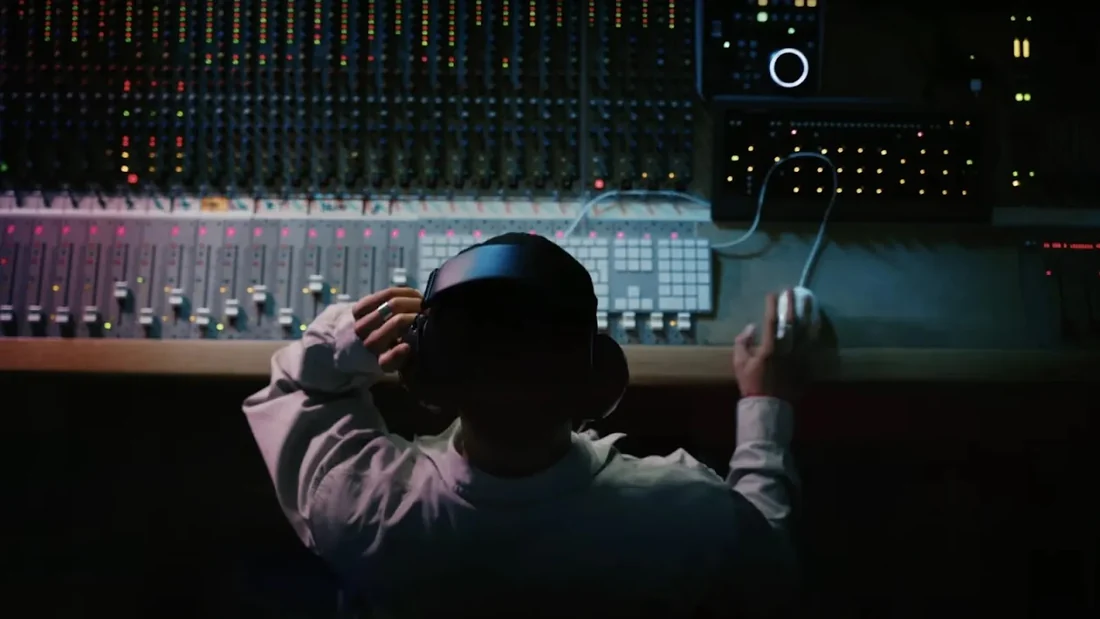
A producer humming a melody and hearing it return as a horn line is the kind of transformation Google DeepMind used to introduce Lyria, its music generation model, on 16 November 2023. The announcement paired Lyria with two applications built with YouTube: Dream Track, an experiment inside YouTube Shorts, and a set of tools the post calls "Music AI tools," developed with artists, songwriters and producers through YouTube's Music AI Incubator. DeepMind describes Lyria as generating "high-quality music with instrumentals and vocals" and performing transformation and continuation tasks.
What the documents establish
The blog post names the Dream Track partner artists specifically: Alec Benjamin, Charlie Puth, Charli XCX, Demi Lovato, John Legend, Sia, T-Pain, Troye Sivan and Papoose, each of whom "partnered" with DeepMind so a limited set of creators could generate a 30-second soundtrack using an AI-generated voice and musical style modelled on that artist. The Music AI tools section is illustrated differently: producer Louis Bell is shown building a track "with just a hum," and captions describe transforming beatboxing into a drum loop, singing into an orchestral score and MIDI chords into a vocal choir. Every output is watermarked with SynthID, embedding an inaudible mark into the audio's spectrogram. A separate, current Lyria technology page, retrieved 16 September 2026, shows the same toolkit later marketed as Music AI Sandbox and the model line extended through Lyria 2, 3 and 3.5 — none of which the 2023 post describes, since those releases came after it.
Craft and rights
The 2023 material frames the tools as accompaniment and transformation aids for people already producing music, not a replacement for the producer's arrangement decisions — a hum still has to exist before the model turns it into a horn line. The rights question is who gets to sound like an artist. Dream Track's voice and style modelling ran only through direct partnership with the nine named artists, not an open licence any user could apply to any performer, which is a narrower consent model than a public training-data scrape.
Outcomes and open questions
The announcement describes Dream Track and the Music AI tools as experiments run inside an incubator, not general releases, so commercial terms and eventual audience were not settled in this document. Readers should watch whether the incubator's tools reached a public product, on what licence, and whether the artist-partnership model held as Lyria's later versions expanded.
- Did the artist or their label control which uses of a Dream Track-style voice clone were permitted?
- Does a later Lyria release still restrict vocal-style modelling to named, consenting partners?
- What does the SynthID watermark record, and does it survive common edits like resampling or trimming?
Read narrowly, the November 2023 post documents a partnership-gated experiment, not a general capability; treating it as evidence about today's Lyria requires checking what has actually shipped since.
Sources & reading trail
Names the nine Dream Track partner artists and describes the Music AI tools' capabilities and SynthID watermarking, announced 16 November 2023.
Source published: 16 November 2023 · Retrieved: 16 September 2026
Shows the current Lyria model line and Music AI Sandbox naming, confirming what postdates the 2023 announcement and should not be conflated with it.
Source published: Not established · Retrieved: 16 September 2026
Papers, reports and standards establish the entry; the craft-and-rights reading is Soundcraft AI editorial analysis. This retrospective draft does not imply the site published on the event date.